What you'll need
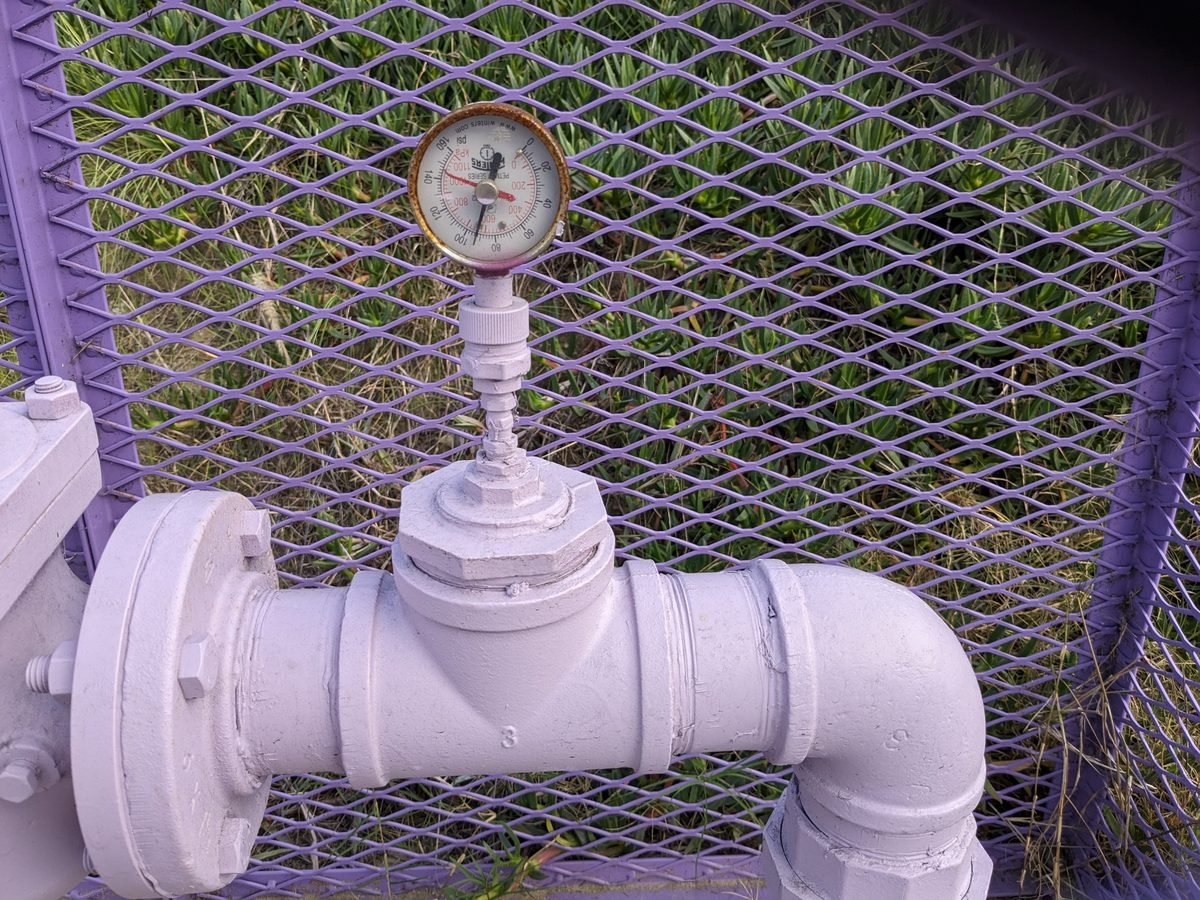
- Water pressure gauge with hose-bib fitting ($8–$12 at any hardware store)
- Adjustable wrench
- White vinegar and an old toothbrush (for aerators and showerheads)
- Bucket and towels
Step-by-step
- Narrow it down: one fixture or everywhere? Run the kitchen tap, bathroom tap, and shower. If only one is weak, the problem is at that fixture — skip to step 2. If everything is weak, skip to step 3. If only hot water is weak, the issue is likely at the water heater (sediment buildup).
- Clean the aerator or showerhead. Unscrew the aerator from the tip of the faucet (it usually twists off by hand; use a cloth and wrench if stuck). Rinse out the grit and soak the parts in vinegar for 30 minutes to dissolve mineral scale, then scrub with an old toothbrush and reinstall. For showerheads, unscrew and soak the same way.
- Check the main shutoff valve. Find it where the water line enters the house. Gate-style valves (round wheel handles) need several full turns to open completely — a valve that's only half open is a classic cause of whole-house low pressure. Ball valves (lever handles) should have the lever parallel to the pipe.
- Measure your pressure. Screw the gauge onto an outdoor hose bib or the laundry tap, turn the water on full, and read it. Most homes run comfortably at 40–60 psi. Plumbing codes in most areas cap residential pressure at 80 psi — above that, you risk damaging the water heater, dishwasher, and washing machine valves.
- Find the pressure regulator (PRV). It's a bell-shaped device on the main line, usually near where water enters the house. If your measured pressure is under 40 psi and everything else checks out, the PRV may be set too low or failing.
- Adjust the PRV — carefully. Loosen the locknut on top, then turn the adjustment bolt clockwise to raise pressure, counterclockwise to lower it. Go a quarter-turn at a time, then re-check with the gauge. Never adjust blind — always measure.
- Check with the neighbors. If their pressure is fine and yours isn't, the problem is inside your house. If the whole street is weak, call your water utility — there may be a main break or maintenance work, and no amount of DIY will fix that.
- Consider the pipes themselves. In older homes with galvanized steel pipes, decades of internal corrosion and scale narrow the pipe from the inside — no adjustment fixes that. If pressure has been declining for years and the house has galvanized plumbing, repiping is the real answer.
<div class="safety"> <strong>🛑 Stop and call a pro if:</strong> <ul> <li>Your gauge reads above 80 psi and the PRV won't adjust down — sustained high pressure can burst washing machine hoses and damage the water heater.</li> <li>The PRV is corroded, leaking, or frozen in place — forcing it can break the fitting and leave you with no water control at all.</li> <li>You find wet spots, warped flooring, or moldy smells while investigating — that suggests a hidden leak, and low pressure was just the symptom.</li> <li>Multiple fixtures suddenly lost pressure overnight — a burst pipe or major leak is more likely than a regulator issue; check your water meter for spinning when nothing is running.</li> </ul> </div>
DIY vs pro cost
| Option | Typical cost |
|---|---|
| DIY | $0–$15 |
| Pro visit | $150–$400 (PRV replacement runs $250–$500) |
Diagnosis is free and most fixes (aerators, valves, adjustments) cost nothing. You only need a plumber if the PRV itself has failed or the pipes need replacing.
Printable checklist
- [ ] Determined: one fixture, whole house, or hot-water-only
- [ ] Aerators/showerheads cleaned and descaled in vinegar
- [ ] Main shutoff valve confirmed fully open
- [ ] Pressure measured with gauge on a hose bib
- [ ] Reading compared against the 40–60 psi normal range
- [ ] PRV located and adjusted in quarter-turns (measuring each time)
- [ ] Neighbors checked (street-wide issue = call the utility)
- [ ] No signs of hidden leaks (wet spots, meter spinning)
Related guides
- How to Fix a Leaky Outdoor Faucet (Hose Bib)
- How to Replace a Showerhead in 15 Minutes
- How to Remove Hard Water Stains (Glass, Faucets, Toilets)